

Contact

Dr. Benedict Wieters
Links
Project partners
Further information

Duration:
04/2024 – 07/2027
Project team:
Dr. Benedict Wieters,
Dr. Nicol Stockfisch
Department:
Funding:
Deutsche Bundesstiftung Umwelt (DBU)
Cooperations:
P. H. Petersen Saatzucht Lundsgaard GmbH (PHP)
Zuckerrübenanbauerverband Niedersachsen-Mitte e.V. (ZAV)
Kverneland Group Soest GmbH (KVG)
Project description
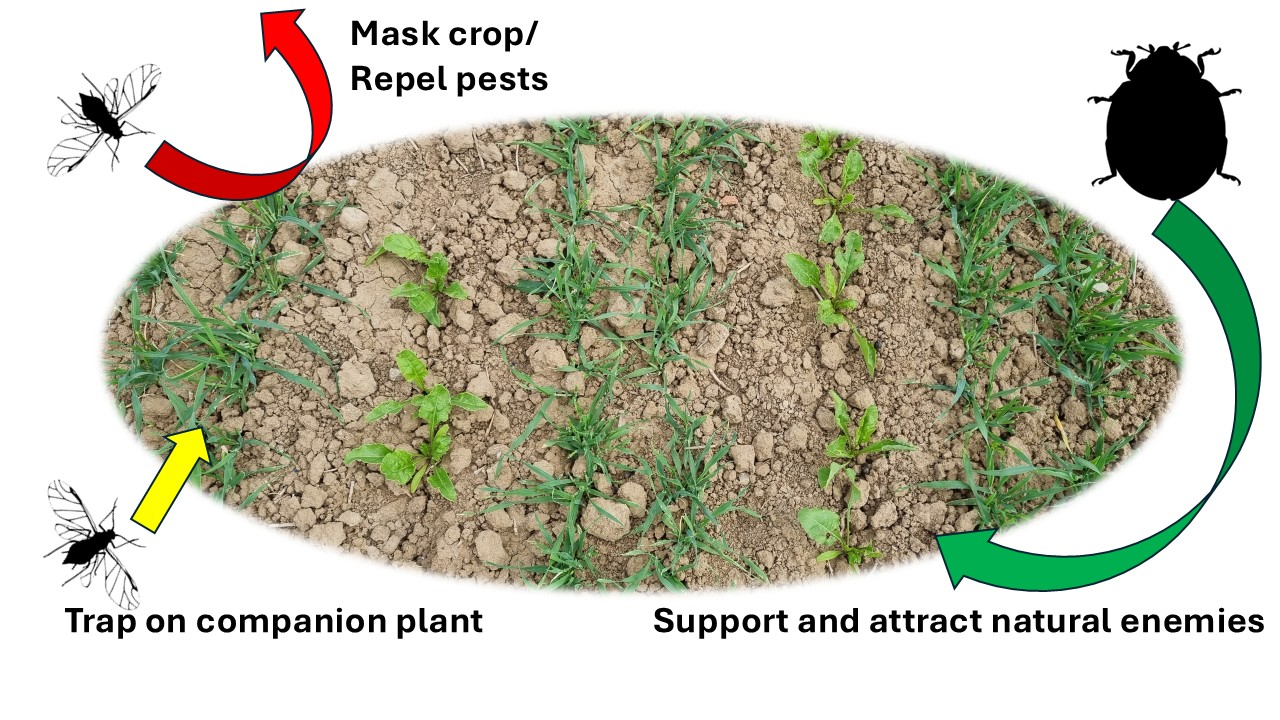
Aphids can cause sucking damage and can transmit yellowing viruses in sugar beet. Early infestation can result in yield losses of up to 30%. To prevent this, insecticides are often applied multiple times across the entire field. The same active ingredients are used extensively in sugar beets as in other arable crops. This makes effective resistance management nearly impossible and can cause significant damage to non-target organisms.
Alternative cultivation methods are therefore needed in the future that contribute to pest control by promoting biodiversity and natural antagonists, thus avoiding or significantly reducing the application of insecticides. Additional environmental goals include reducing herbicide use through non-chemical weed control methods and ensuring effective erosion and groundwater protection. At the same time, the profitability of cultivation must be ensured.
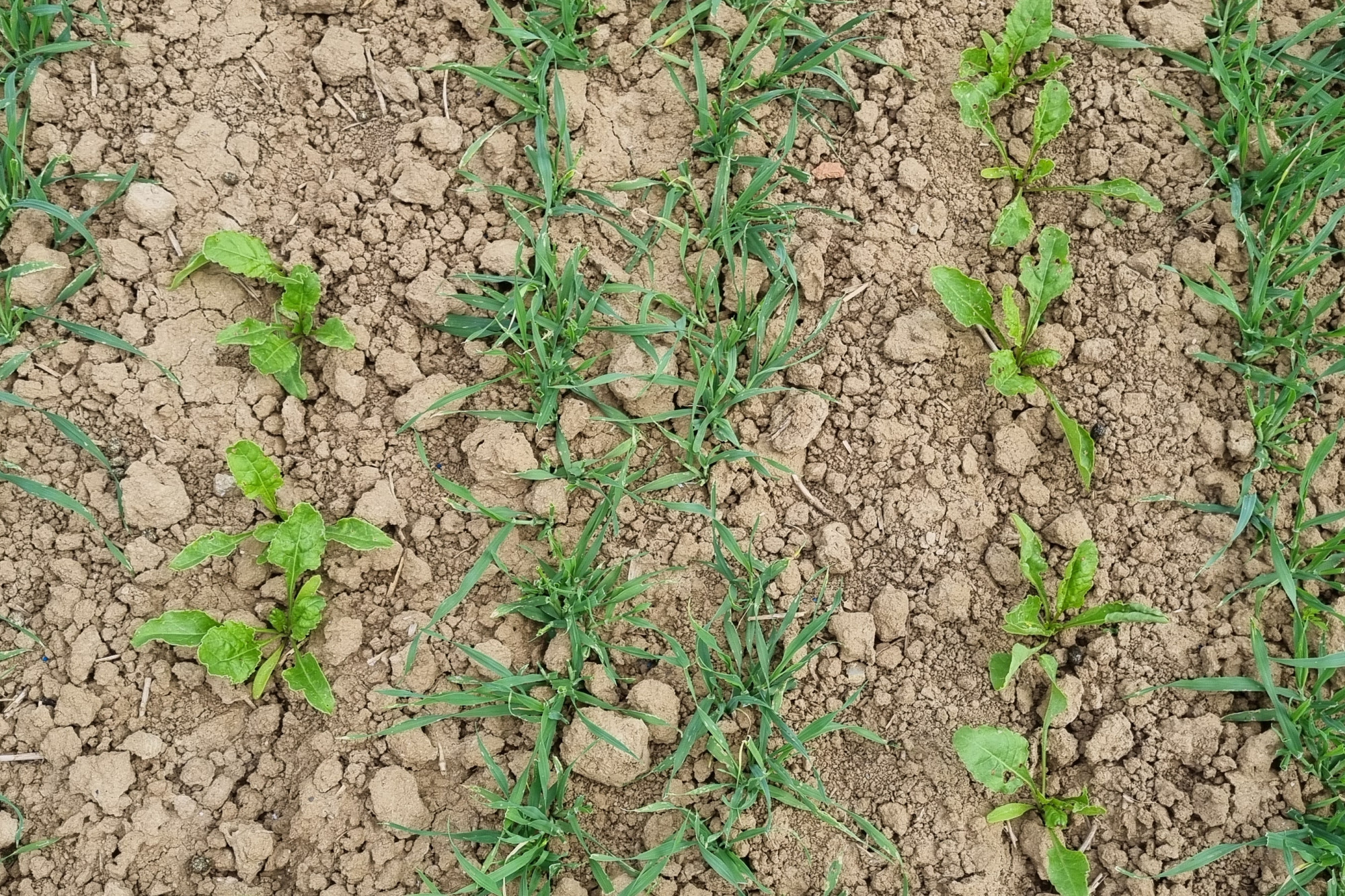
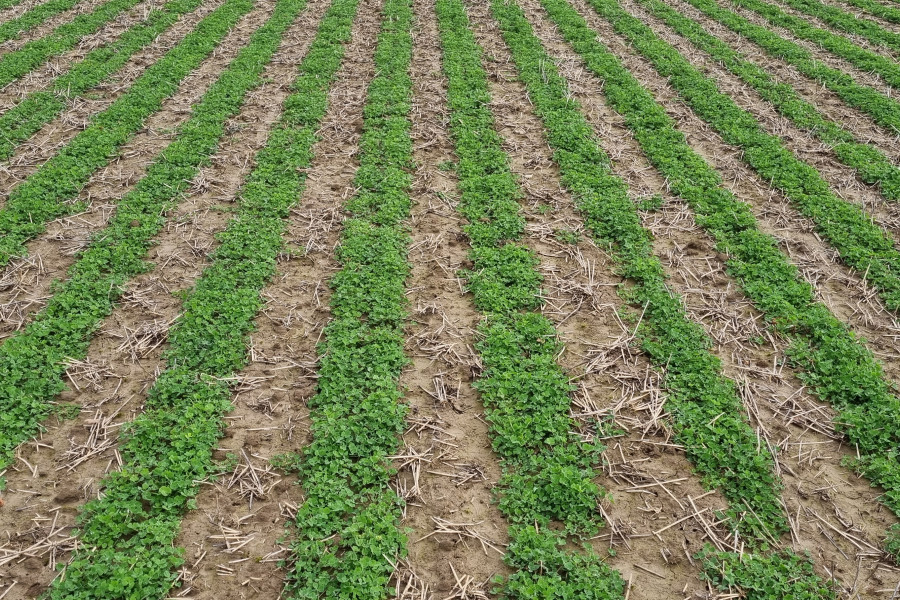
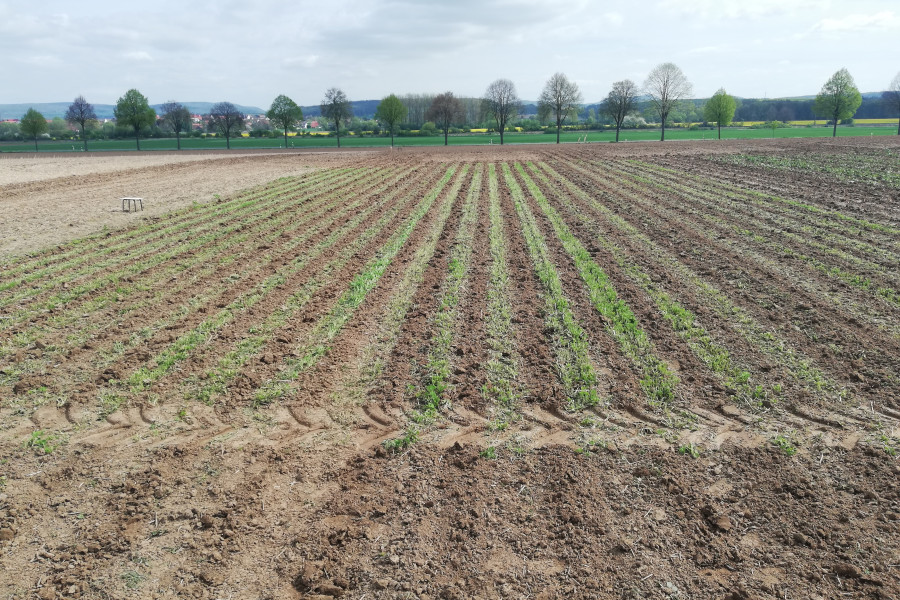
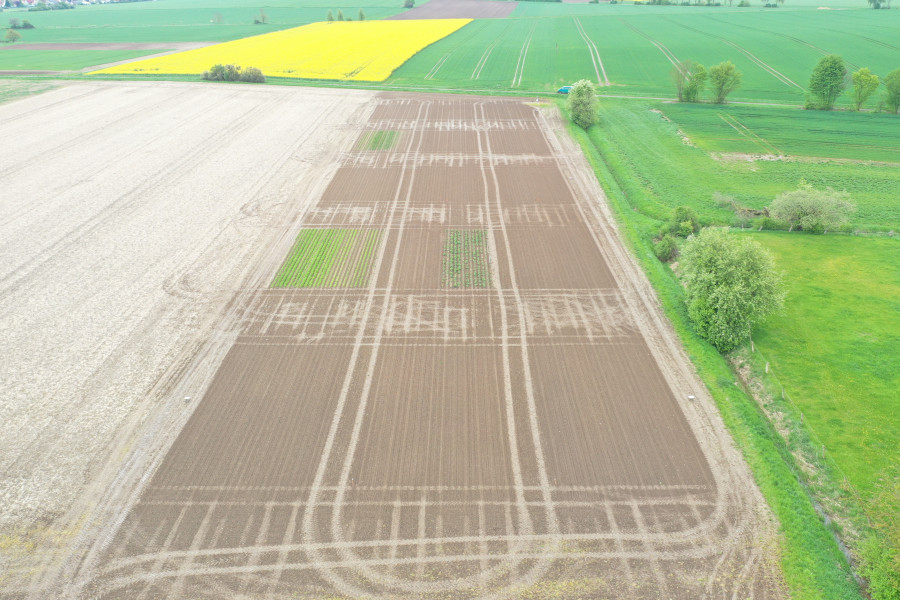
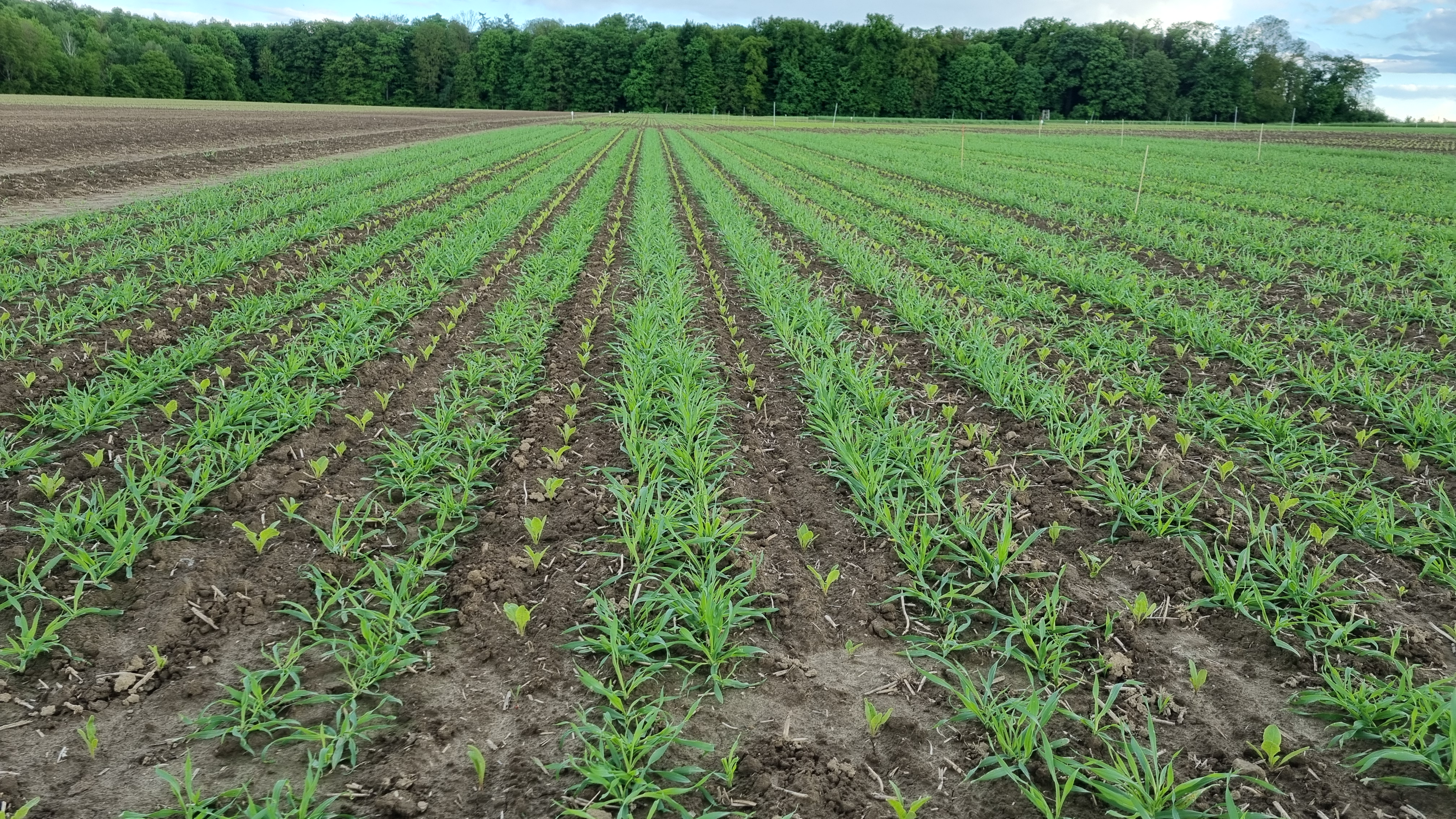
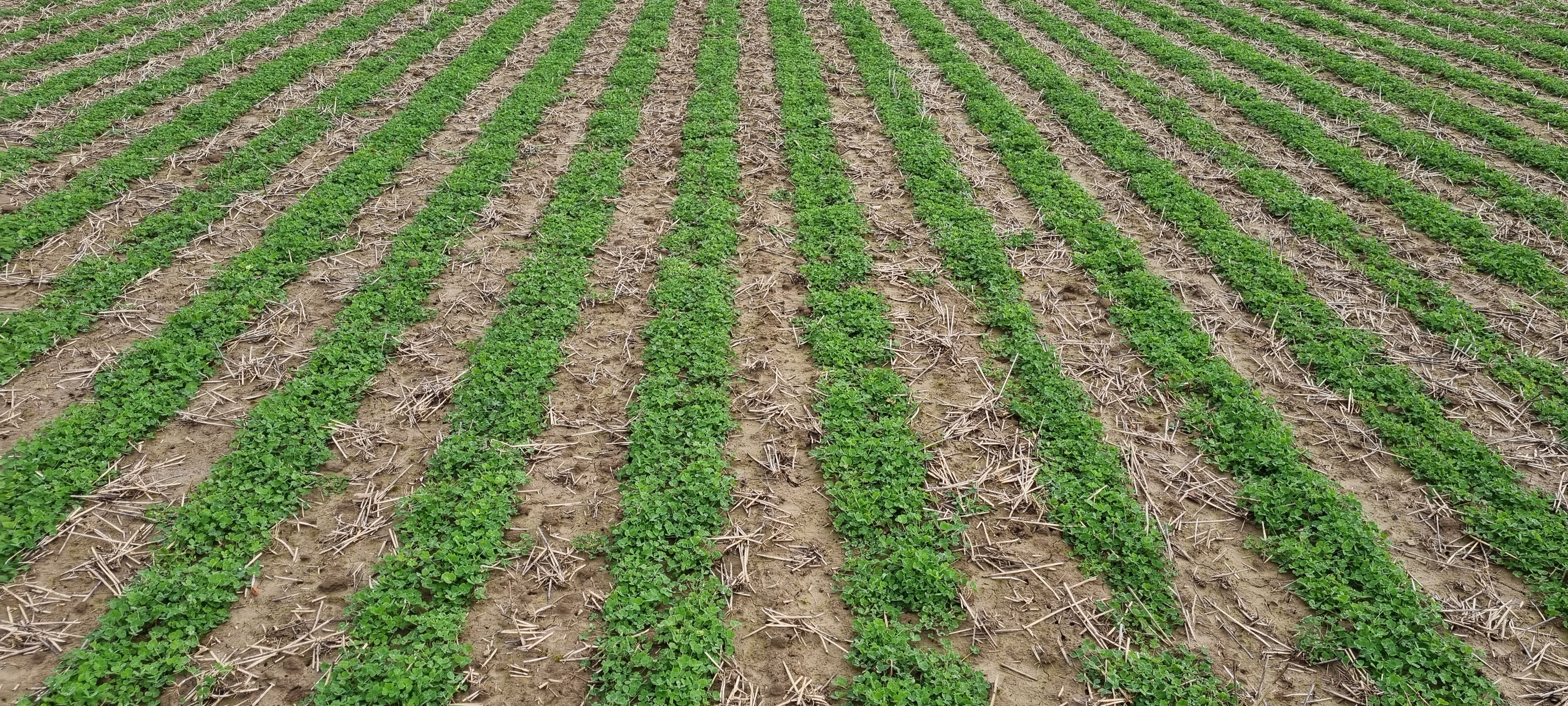
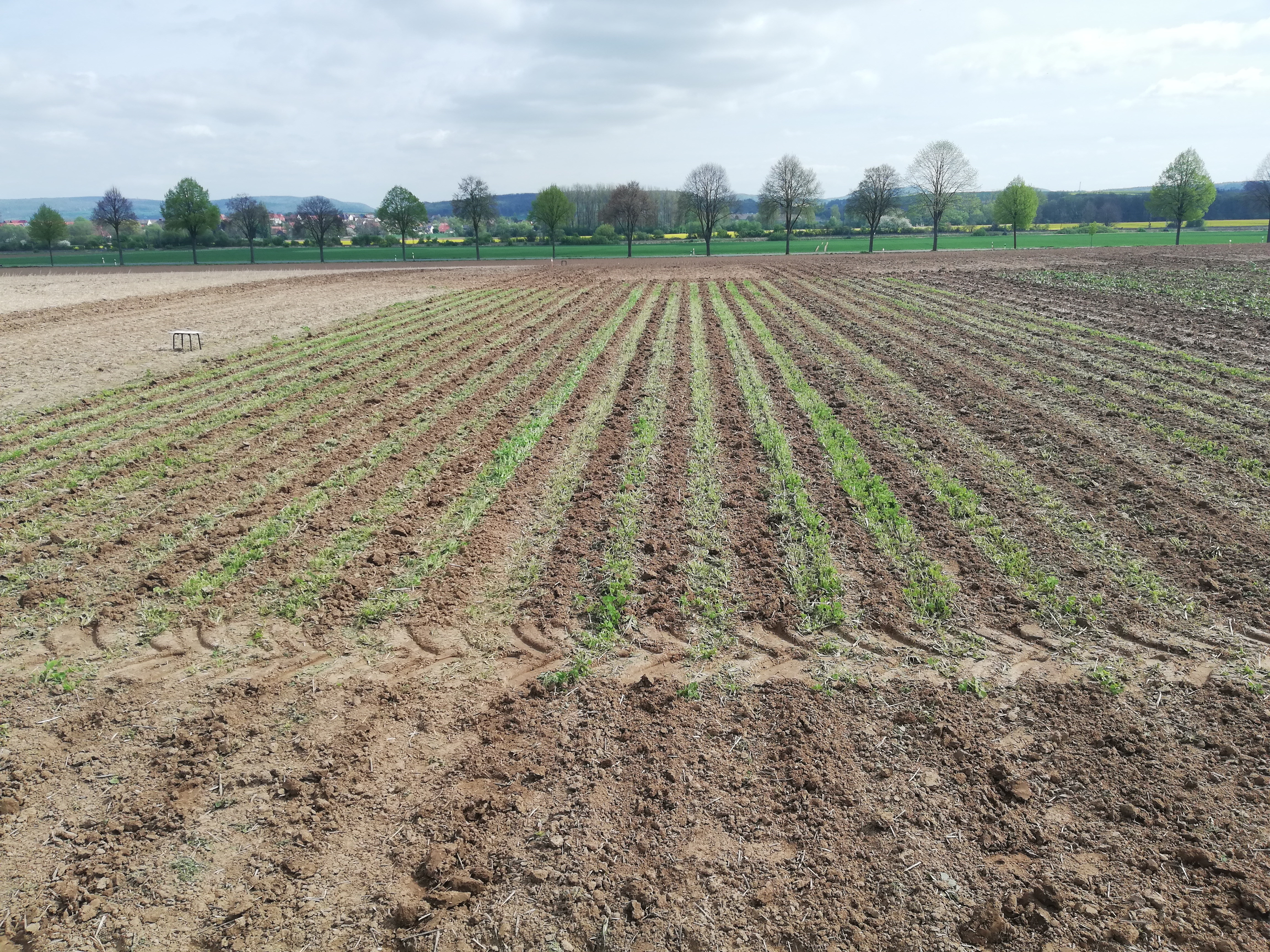
Therefore, an effective method for controlling aphids and viruses in row crops such as sugar beets should be developed for practical use through the targeted cultivation of companion plants (CP). In contrast to approaches based on promoting beneficial organisms in the landscape or at the field level (flowering areas), the present approach aims to examine whether aphids and possibly other sugar beet pests can be controlled by cultivating CP between the sugar beet rows in such a way that yield losses can be avoided even without or with significantly reduced use of insecticides. The cultivation method must not only control aphids, but also ensure sufficient weed control with little competitive effect on sugar beet growth. As a solution, various specifically selected CP are to be sown in field trials either over the entire area in the fall or only in strips between the beet rows; alternatively, CP can also be sown in the spring at the same time as the sugar beets, either over the entire area or in strips.
Methods
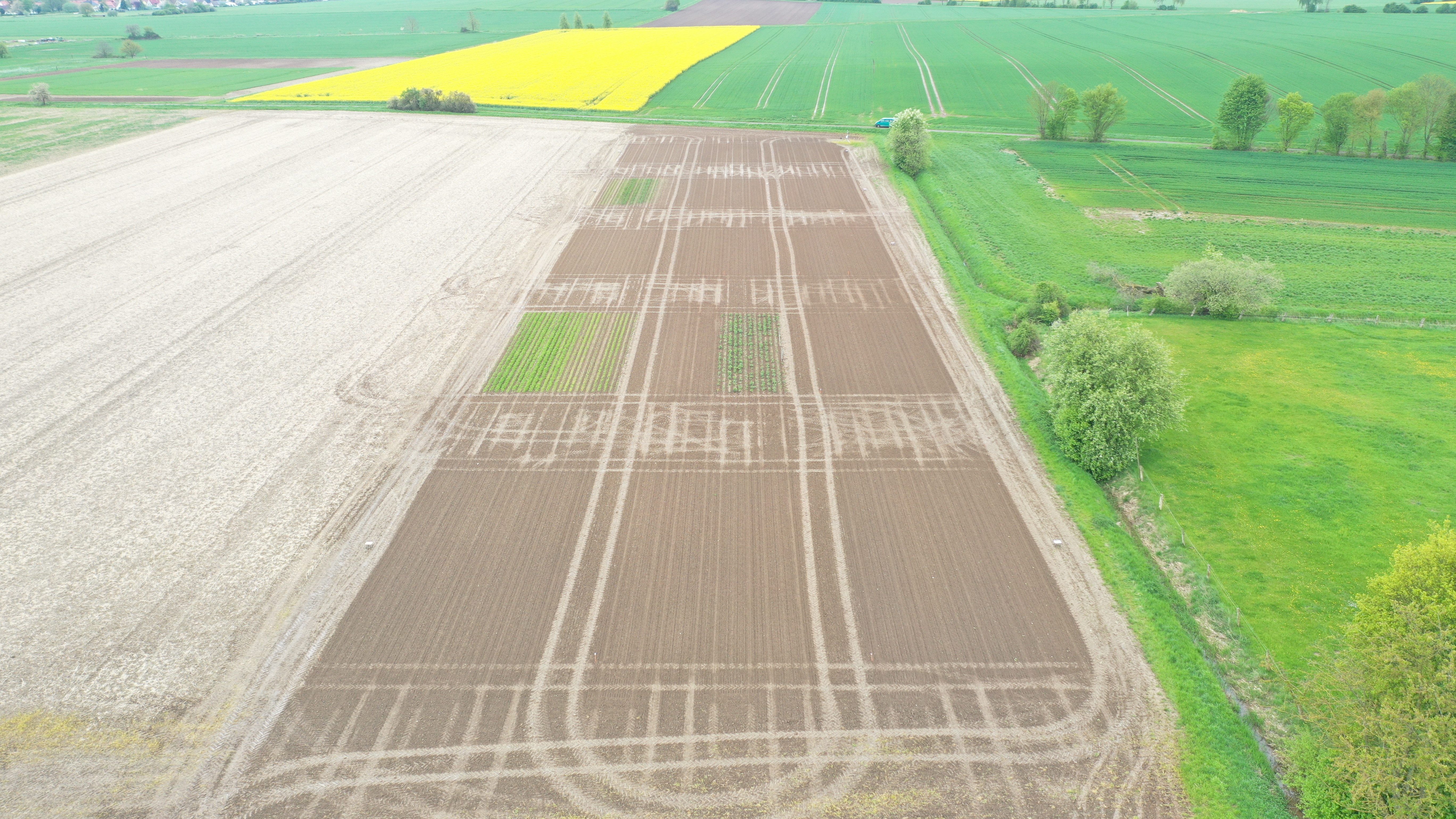
2023/2024: Pre-trial for identification of suitable CP
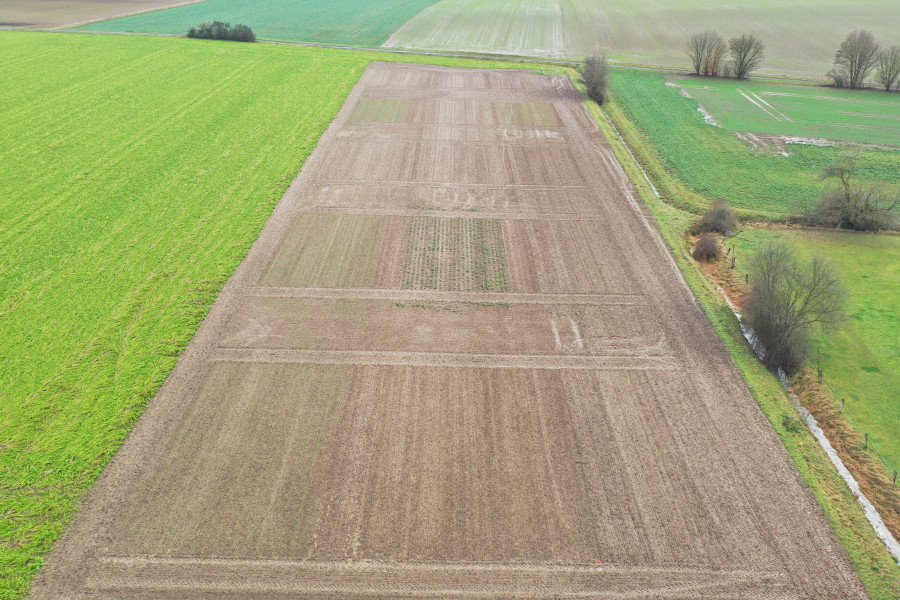
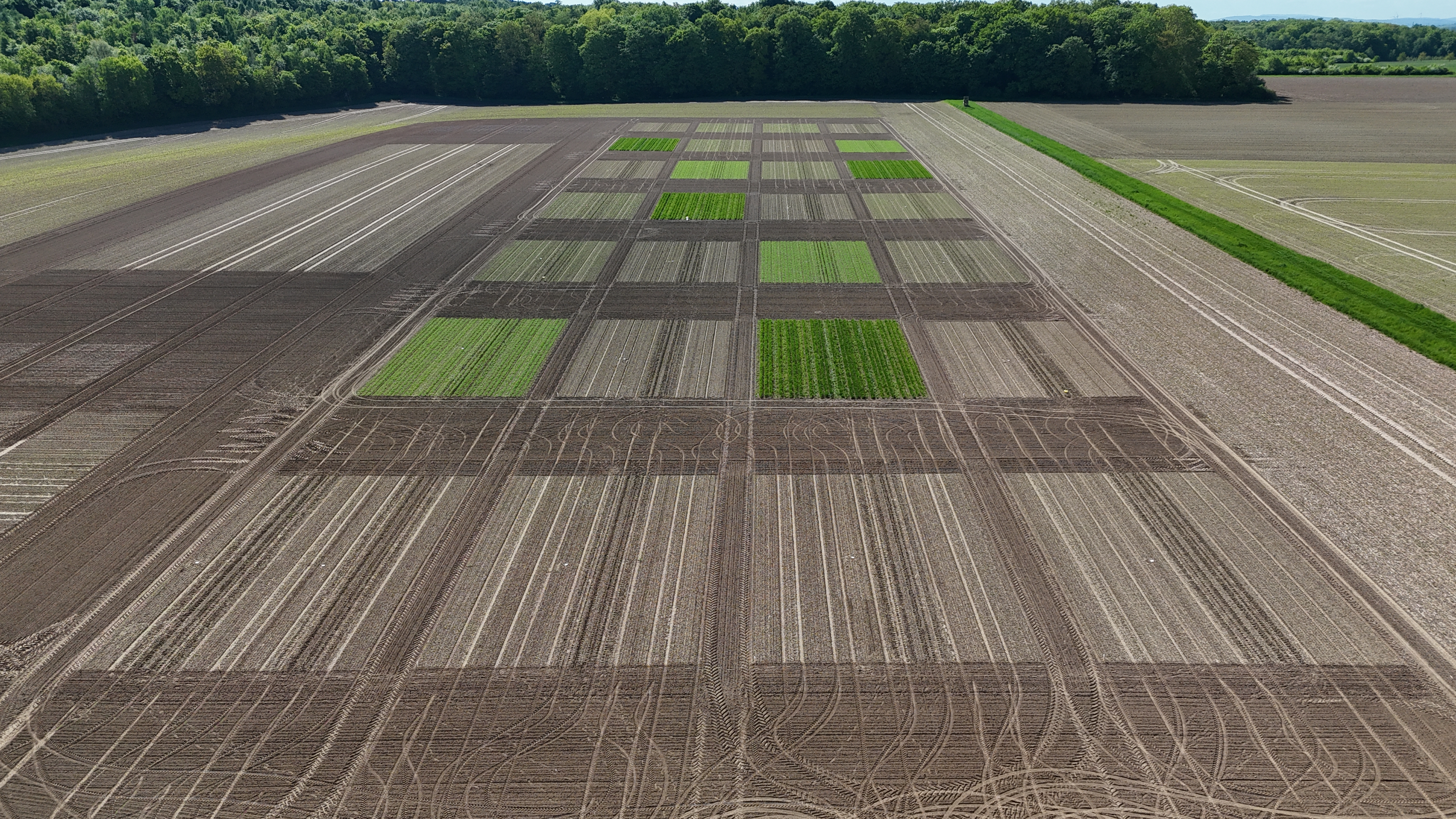
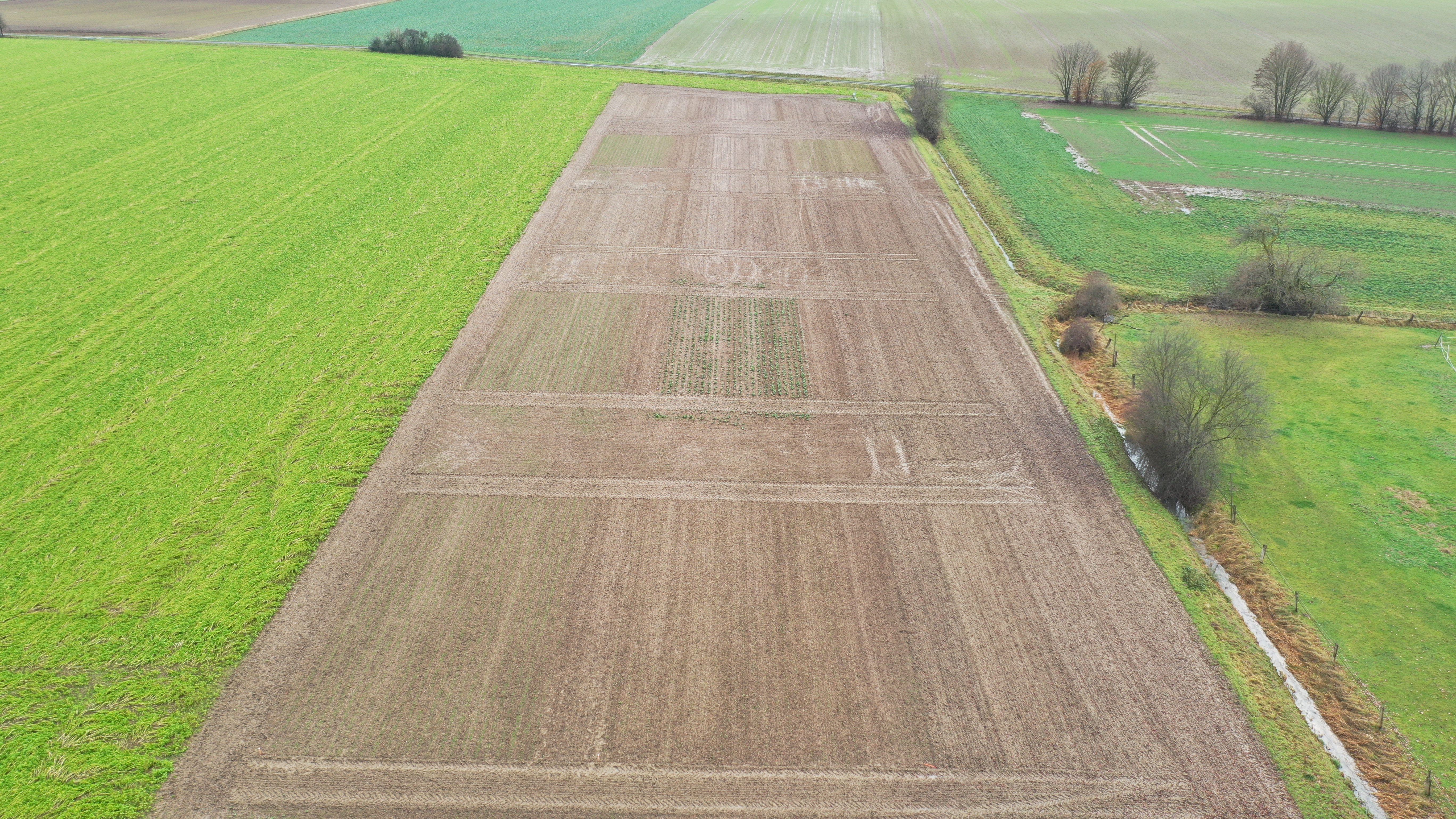
2024/2025 and 2025/2026: Field trials with 4 CP and further tests
2026: Practical demonstration of CPs at farmers field days
Sowing CP in autumn with Strip-Till of sugar beet in spring or sowing at the same time as sugar beet between the rows
Removal of CP, only sugar beet will be harvested
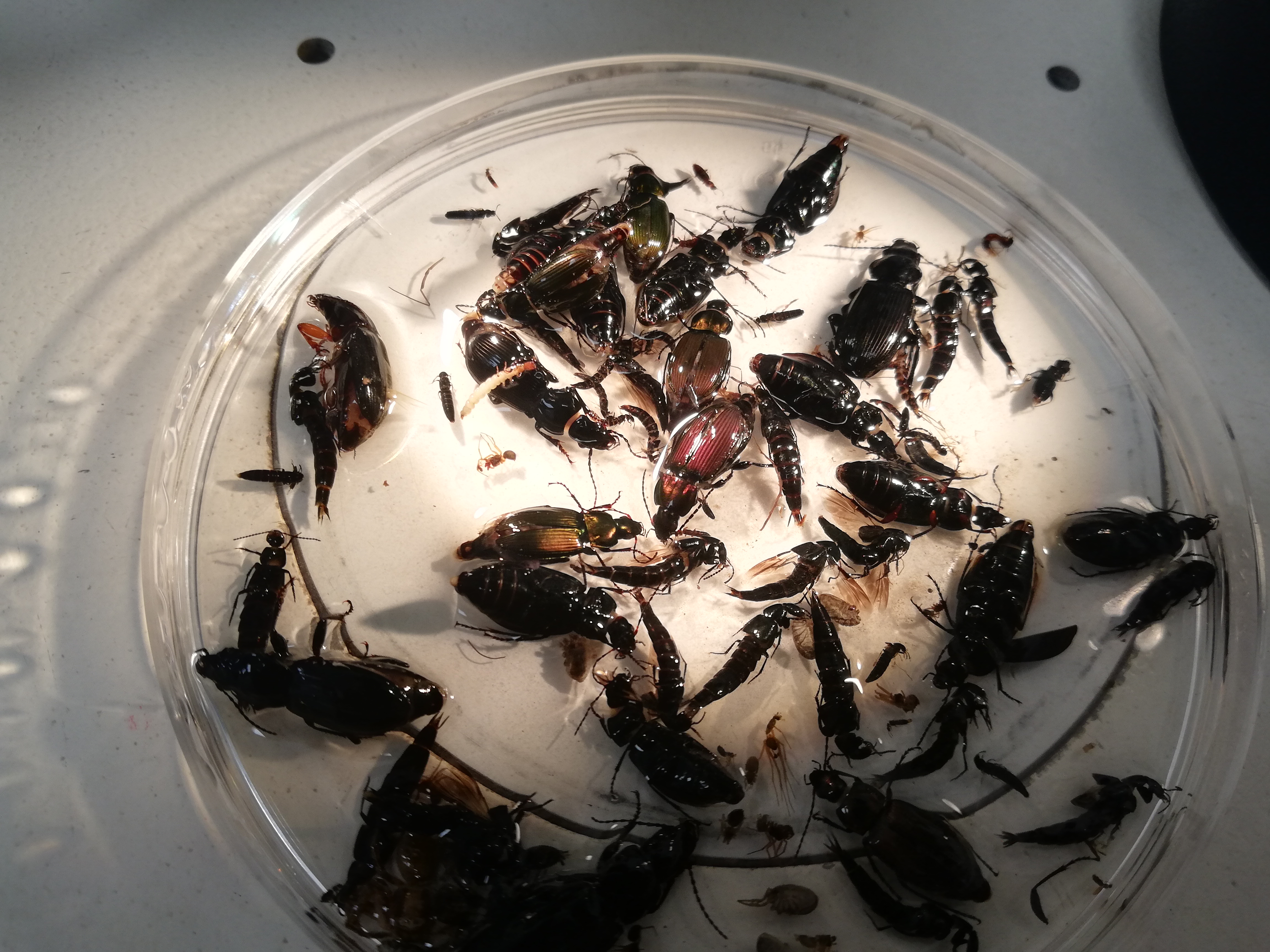
Measurements: Field emergence, management, nutrient and water effects, competition, yield, yellowing, aphids and other pest organisms, natural enemies with direct observation, sweep netting and pitfall traps


Preliminary results
Timely removal of BP is necessary to secure yield
All CPs promote the number of insects in pitfall traps
Aphids are reduced by CPs
Yield effect of aphids in trials so far low (infestation late in the growing season)
Yield effects vary greatly, depending on the strength of competition
Project partners



Funding
The project is funded by the Deutsche Bundesstiftung Umwelt (DBU) in the initiative "Vermeidung und Verminderung von Pestiziden in der Umwelt" ("avoiding and reducing pesticides in the environment")

Contact